Mulong Xie
Researcher & Builder & Founder·PhD in Artificial Intelligence
Human-AI Interaction & Dynamic Software

Research
What I work on
Human-AI Interaction & Software as Content
Rethinking the interaction layer between humans and agentic systems. The SaC paradigm proposes that AI should generate live, evolving UIs as agentic applications rather than static textual responses.
Dynamic Software
A new class of software where the frontend is generated on-demand and evolves through interaction — not shipped as a fixed pre-built. The backend is an agent system, not a static codebase.
GUI Agent
Autonomous agents that navigate GUIs to complete tasks across apps and platforms — combining visual grounding, cross-app action execution, and non-intrusive automation without code instrumentation.
Visual Intelligence for Productivity
Intelligently parse UI semantics from raw visual inputs and transform static artifacts into live outputs — element detection, layout understanding, design-to-code, and form digitization.
Selected Work
Featured projects
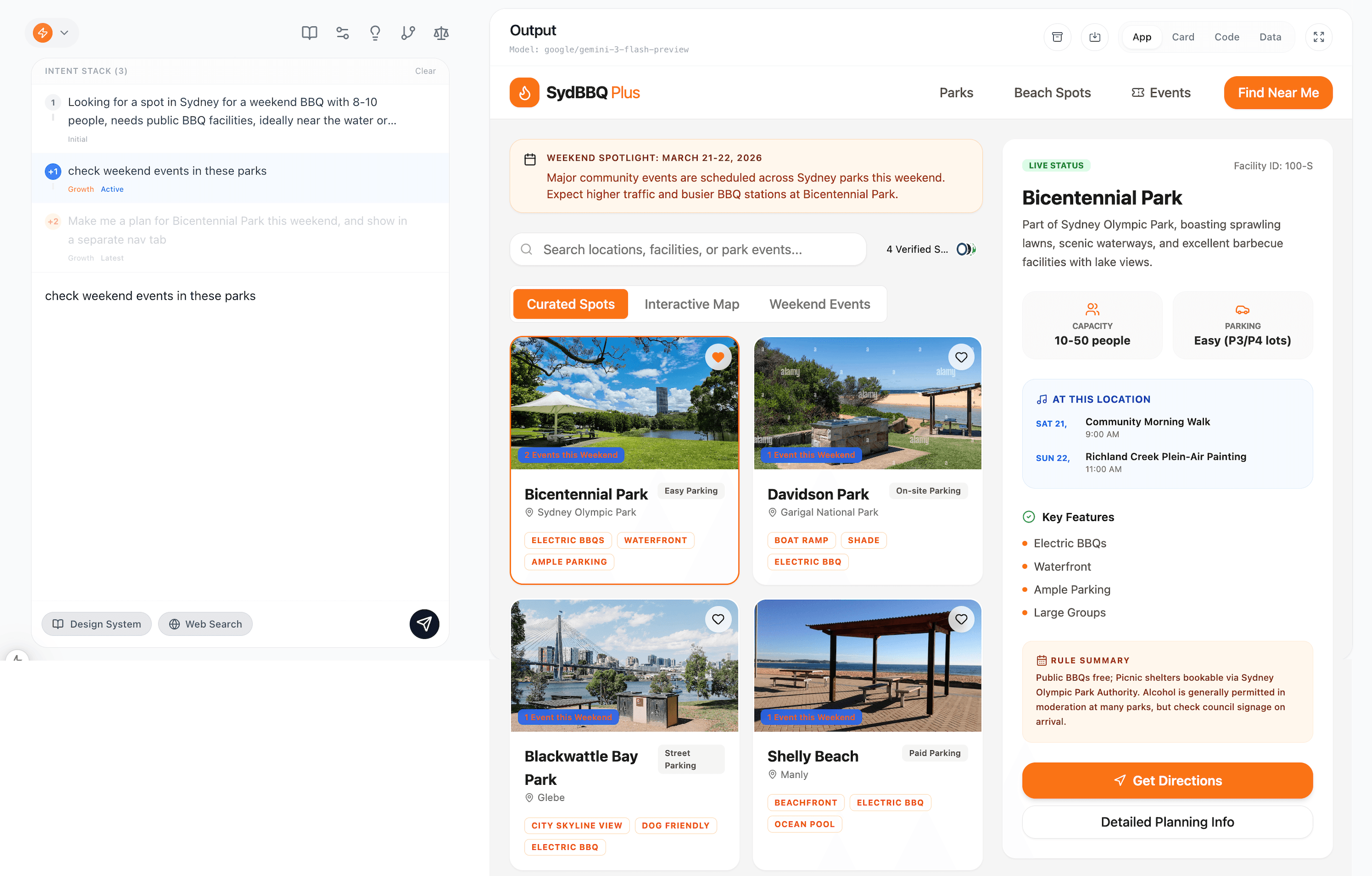
Software as Content (SaC)
A new human-agent interaction paradigm through generative, on-demand, evolving applications.
PortalX — Software Modelling
Autonomous agent to explore any given software & provide non-intrusive user assistance & automations. YC China 2025.
UTA — Universal Task Assistant
Mobile AI agent layer to understand apps and assist the user with app-intent mapping, step-by-step function guidance, and task automation.
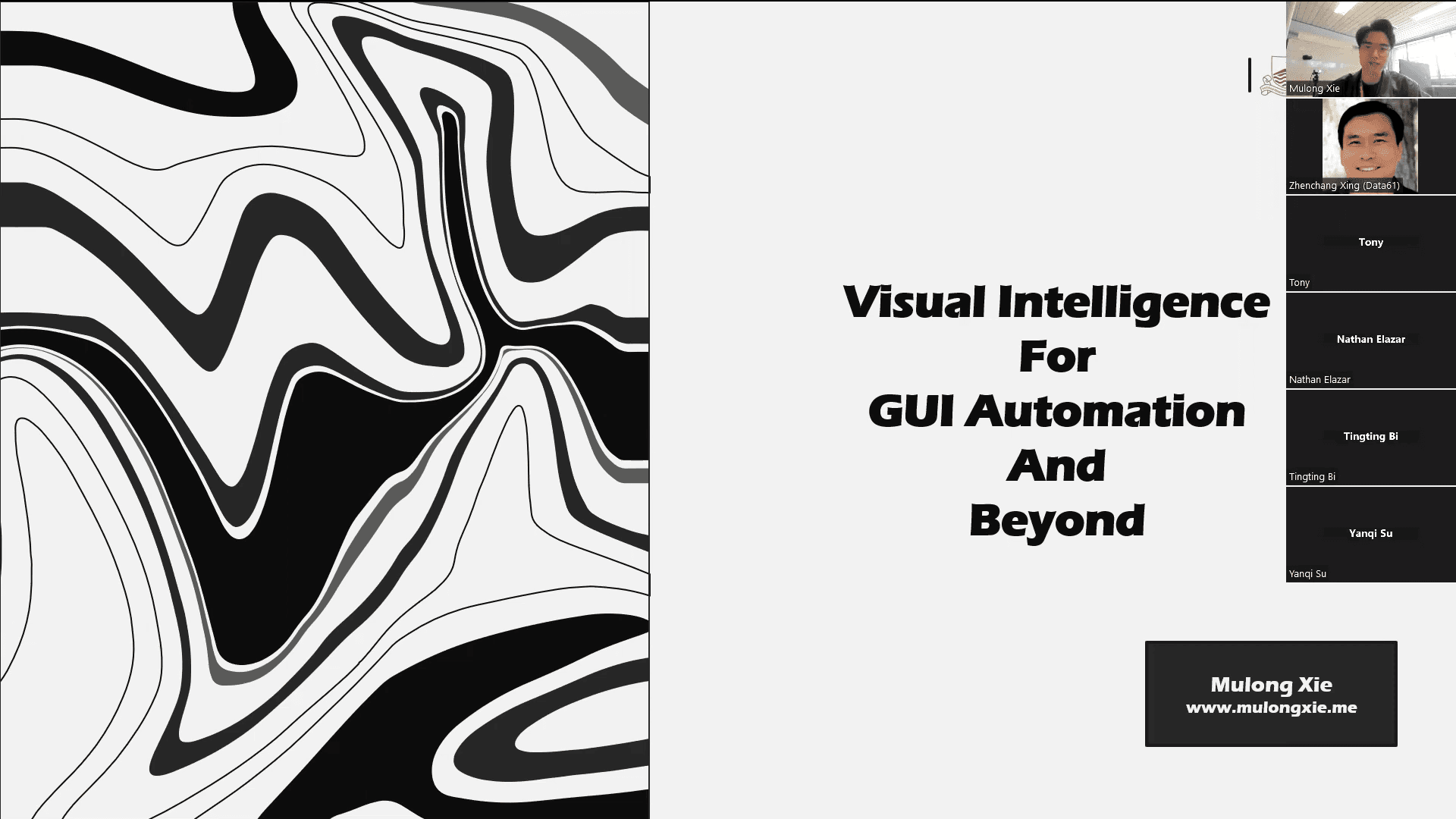
PhD Thesis — Visual Intelligence for GUI Automation & Beyond
Three-year exploration and research on software understanding and automation even before the agent era.
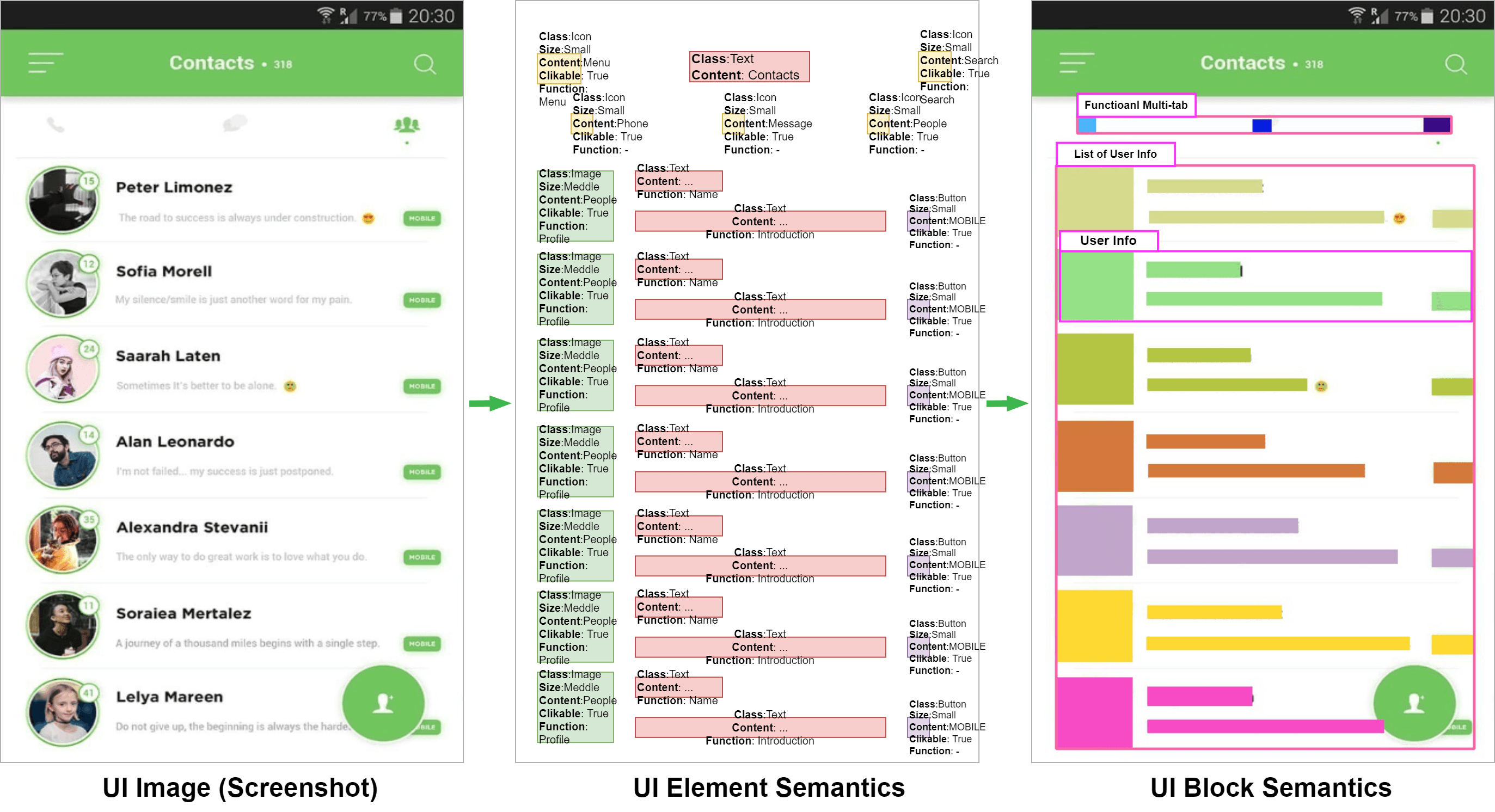
Visual Software Semantic Understanding
Unsupervised vision-based approach to analyze the spatial and semantic relations for the GUI elements and blocks.
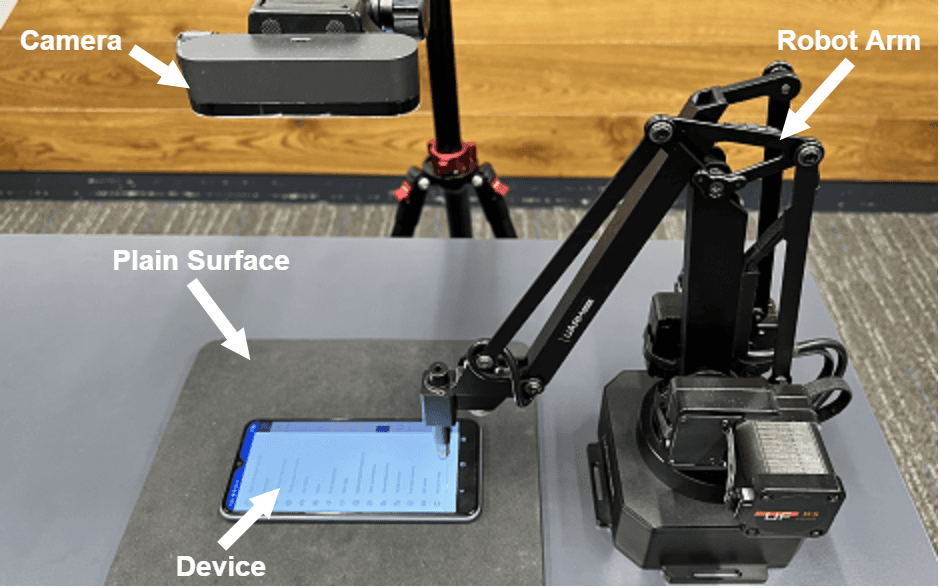
APP Voice Control x Robot Arm
Identify the target UI component in any app by user saying what they want in natural language, and use a Robot Arm to interact with the device automatically — a physical GUI agent before the agent era.
Background
Experience & Education

Founder
2026 – PresentDynsoft LabRemote
- Research and development on Dynamic Software — agent-generated on-demand frontend from user intents, backed by agent systems
- Developing the Software as Content (SaC) theoretical foundation & open-source protocol

Co-founder
2025.09 – 2026.03FellouHybrid
- Co-founding the world's first agentic browser, leading product design and research
- Over $30M fund raised

Founder
2025.01 – 2025.09PortalXSydney, Australia
- Leading the R&D and commercialization of the enterprise software intelligence automation agents
- Selected for Miracle Plus (former YC China) Fall 2025 — 1% acceptance from 5,800+ applicants

Research Scientist
2024.01 – 2025.10CSIRO's Data61Sydney, Australia
- Leading multiple research projects and commercialization on responsible AI & software engineering automation
- CSIRO Technology Innovation Award 2024
- On-prime Accelerator Prize-winning project
Postdoc
2022.12 – 2024.01CSIRO's Data61Sydney, Australia
- Leading research on intelligent software engineering and AI safety
- ACM Best Paper Award

Full-Stack Engineer Intern
2018.11 – 2019.01TF-AMDPenang, Malaysia
- Developed an internal document search engine as a full-stack engineer
- Recommendation letter from the Product Director

Ph.D in Artificial Intelligence
2020 – 2022Australian National UniversityCanberra, Australia
- Thesis: Visual Intelligence for GUI Understanding and Automation
- National Research Agency's PhD Top-up Scholarship
- HDR Fee Remission Scholarship
- Postgraduate Research Scholarship
(Honors) Bachelor of Software Engineering
2018 – 2020Australian National UniversityCanberra, Australia
- Thesis: UI2CODE: Computer Vision Based Reverse Engineering of User Interface Design
- GovHack 2019 Australian Capital Territory, Runner Up (2019)
- Government Grant in Innovation Australia Capital Territory Competition (2018)

Bachelor of Intelligent Science and Technology
2015 – 2018Nanjing University of Science and TechnologyJiangsu, China
- Member of a key laboratory of unmanned aerial vehicles (2017)
- Class President (2017-2018)
Public Projects
All Public Projects
2026
Independent ResearcherSoftware as Content (SaC)
A new human-agent interaction paradigm through generative, on-demand, evolving applications.
2025
Founder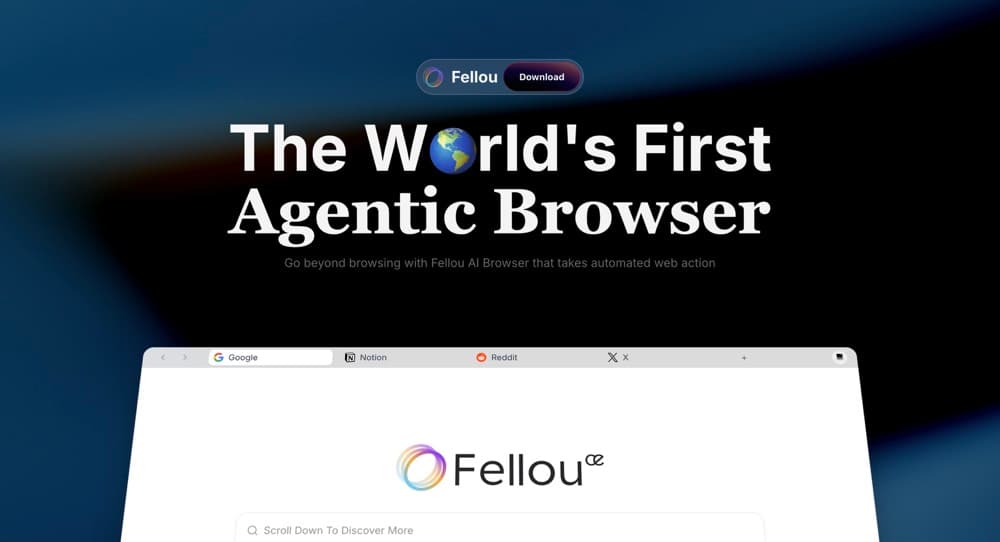
Fellou
Co-founded at Fellou — the world's first agentic browser. Raised over $30M in funding.
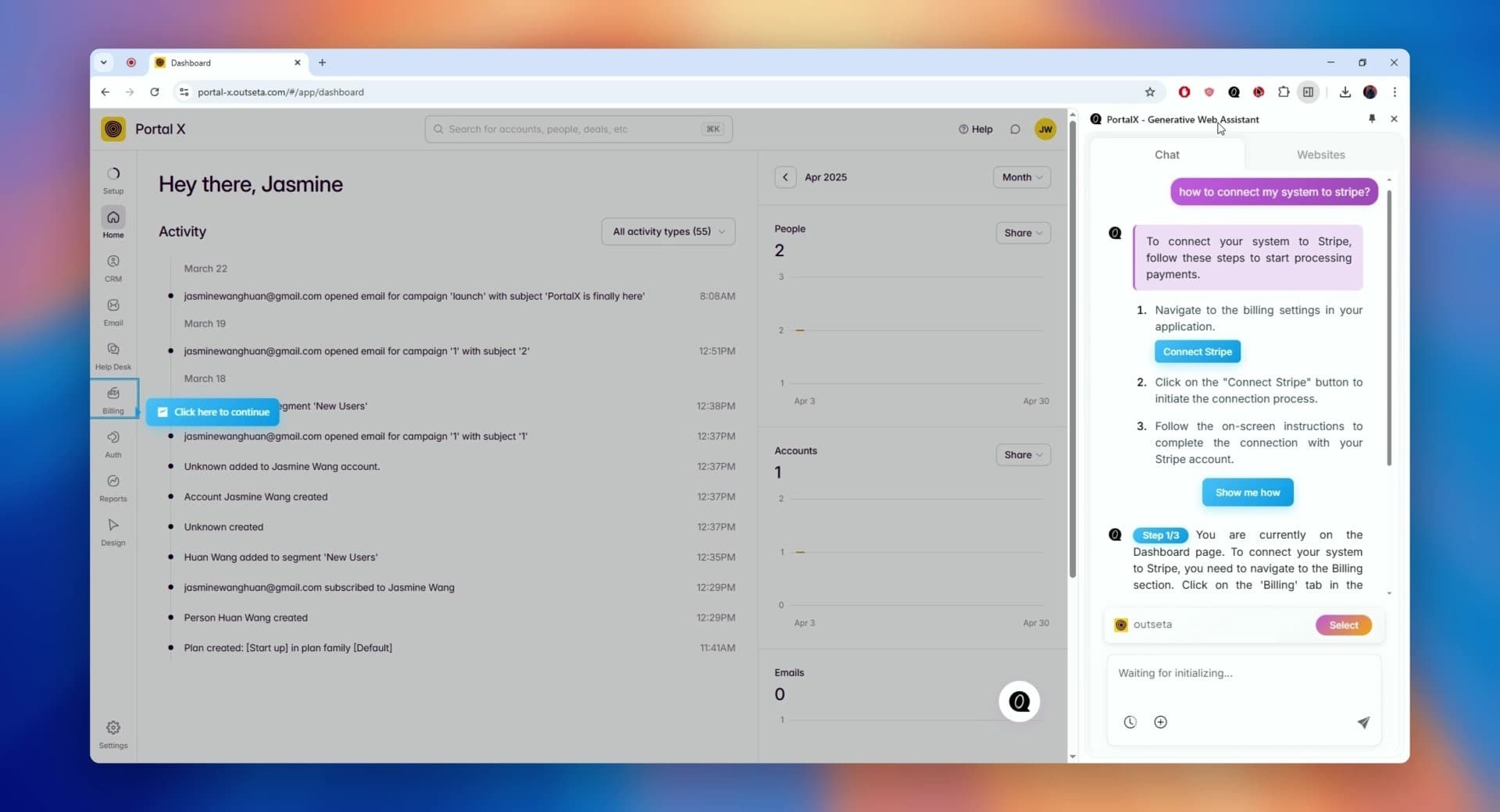
PortalX — Software Modelling
Autonomous agent to explore any given software & provide non-intrusive user assistance & automations. YC China 2025.
2024
Research Scientist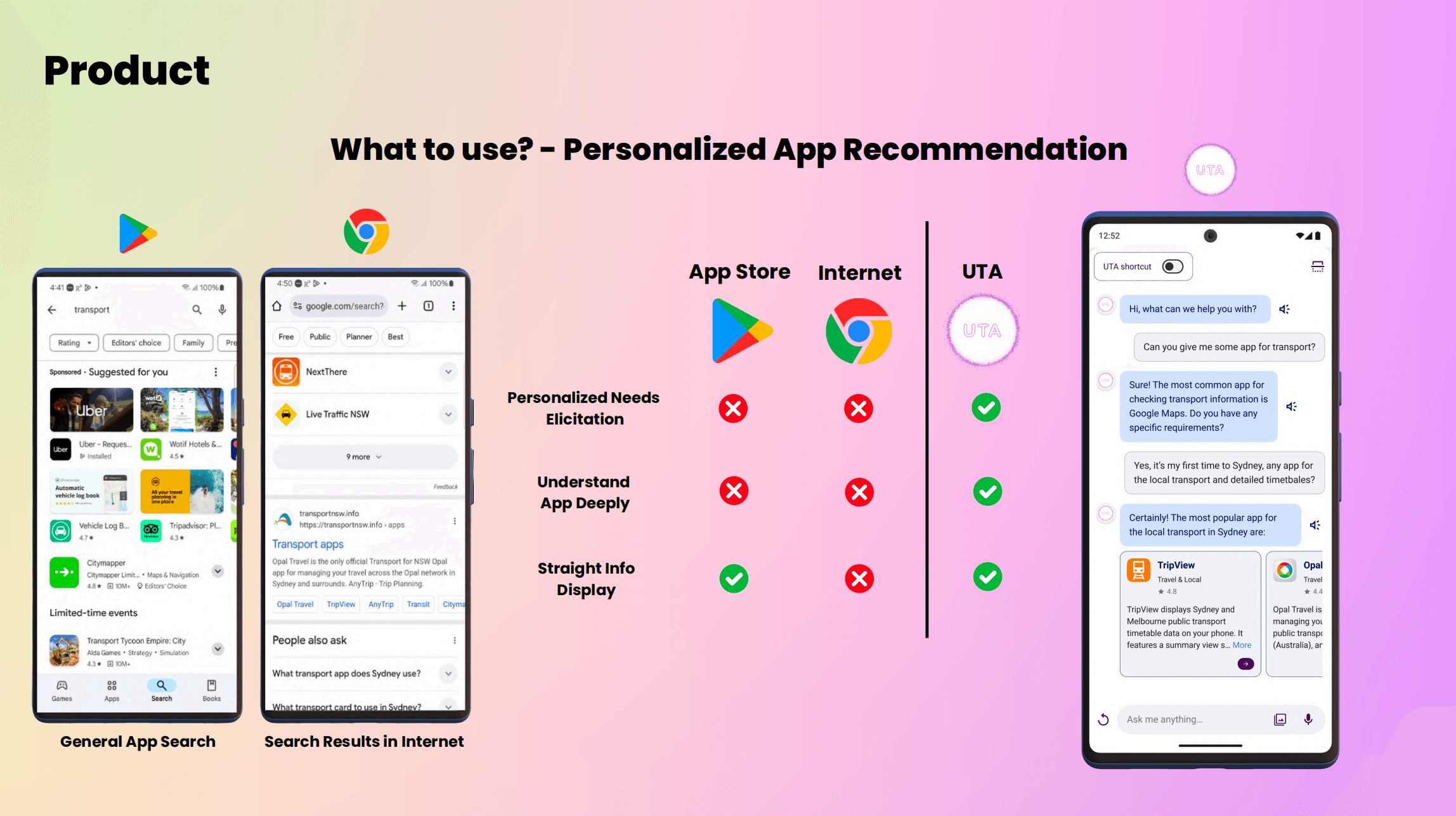
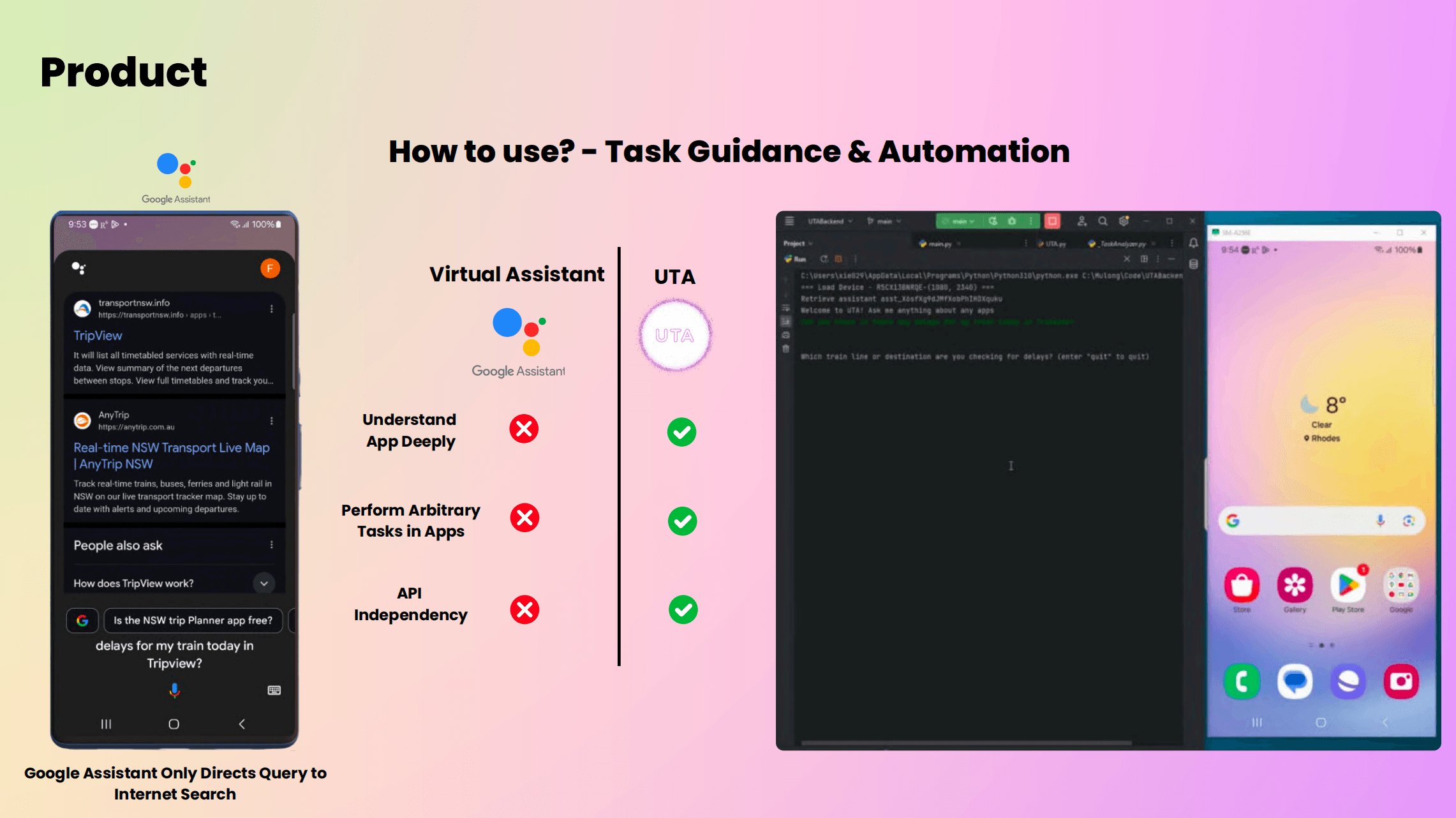
UTA — Universal Task Assistant
Mobile AI agent layer to understand apps and assist the user with app-intent mapping, step-by-step function guidance, and task automation.
2023
Research Scientist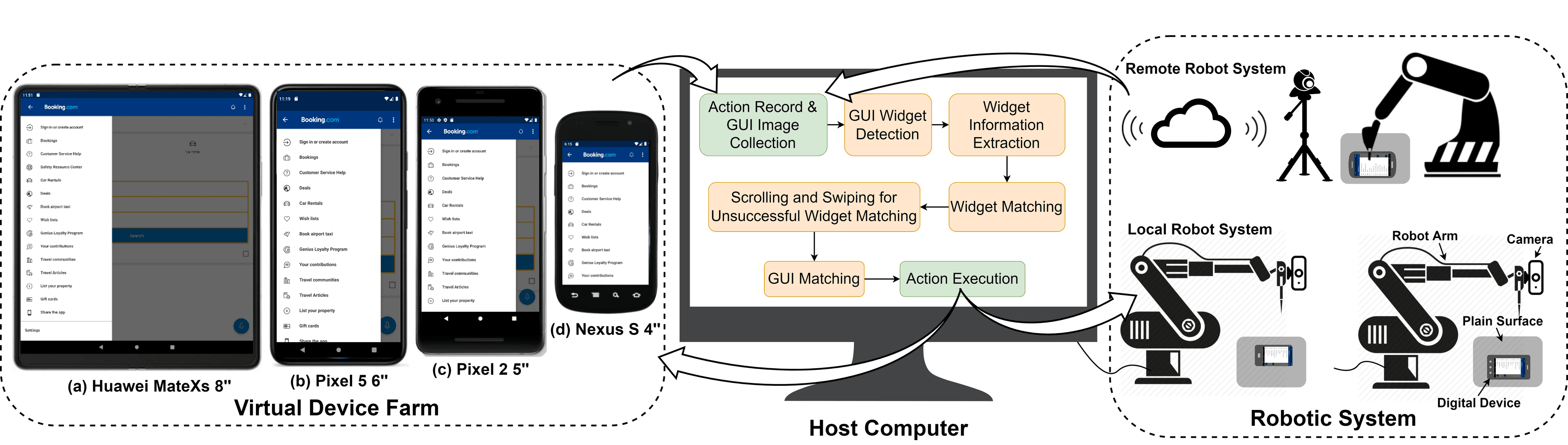
NiCro
Record once, replay anywhere. NiCro captures user actions on one device and re-executes them across iOS and Android at any screen size — purely vision-based, zero source code access required.
2022
PhD in Software Engineering & Human AI Interaction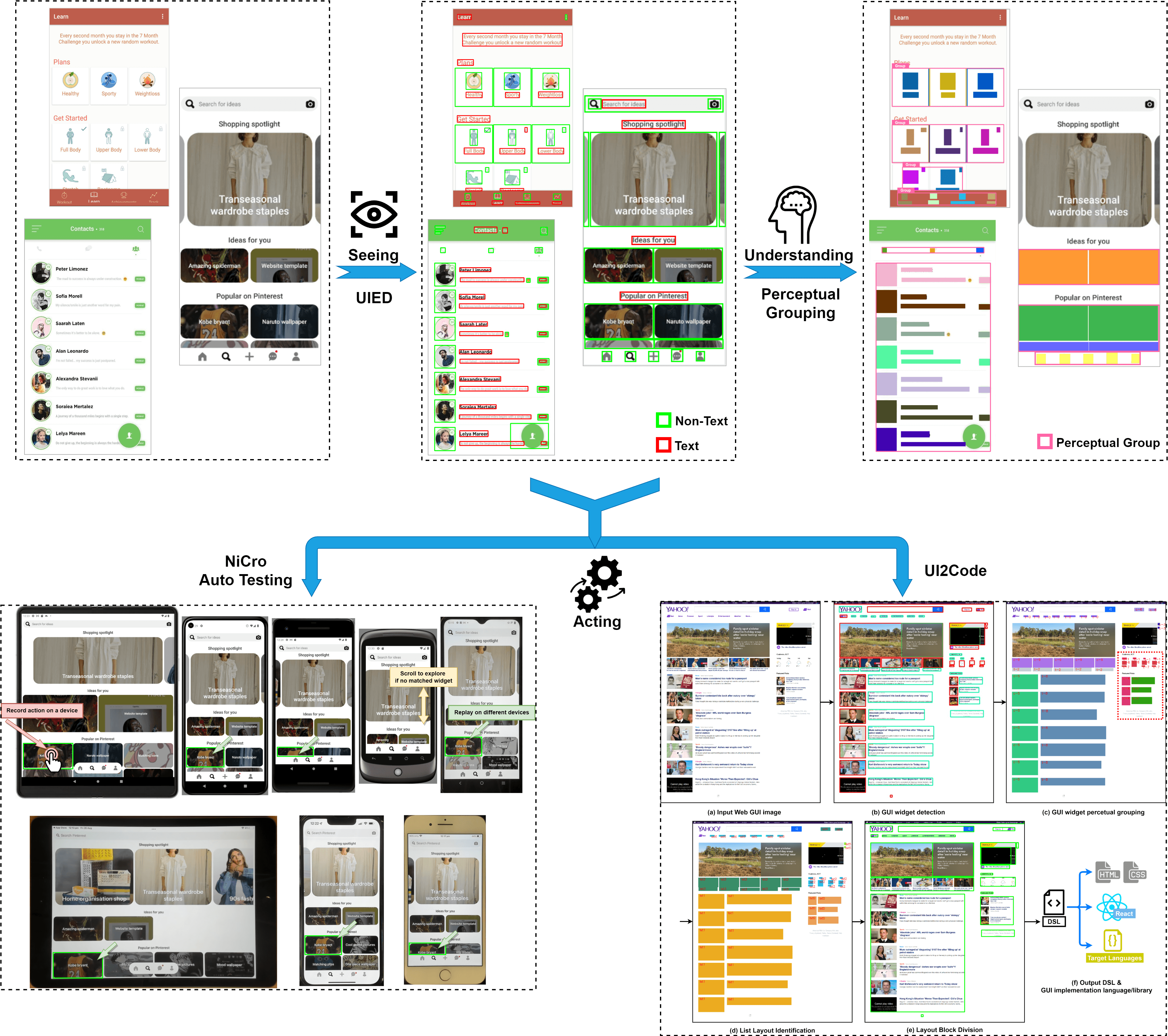
PhD Thesis — Visual Intelligence for GUI Automation & Beyond
Three-year exploration and research on software understanding and automation even before the agent era.
Visual Software Semantic Understanding
Unsupervised vision-based approach to analyze the spatial and semantic relations for the GUI elements and blocks.
AR x Object Detection
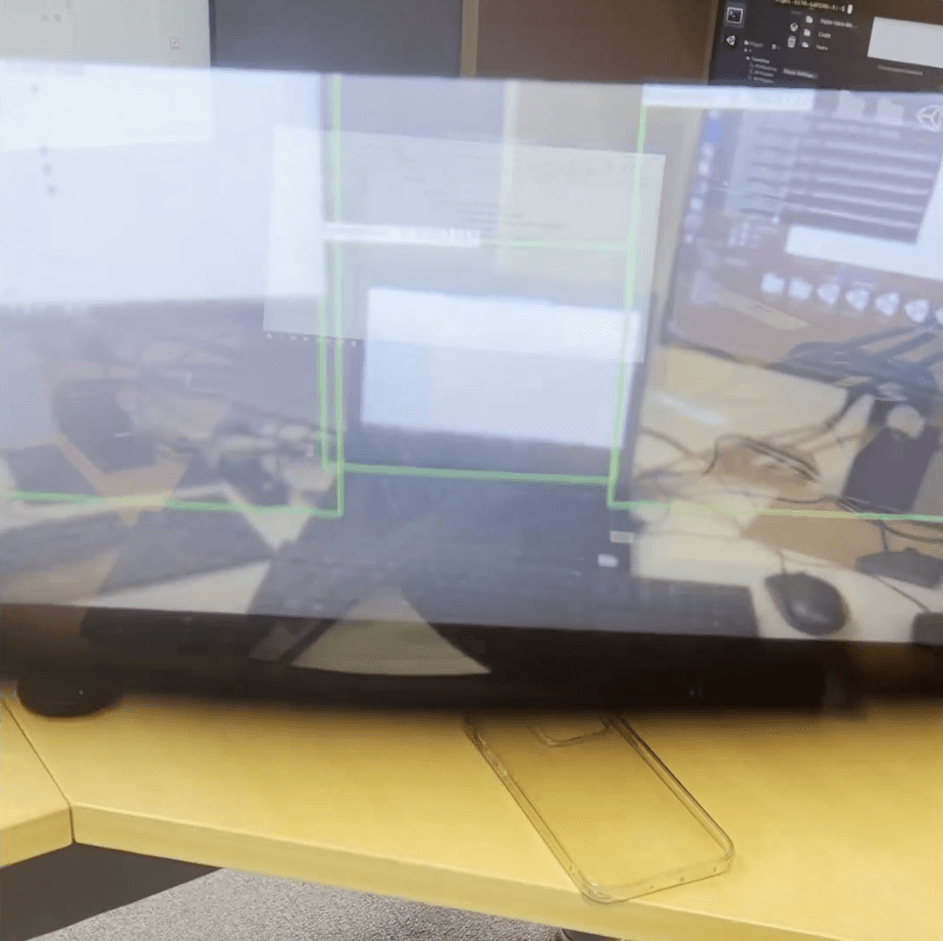
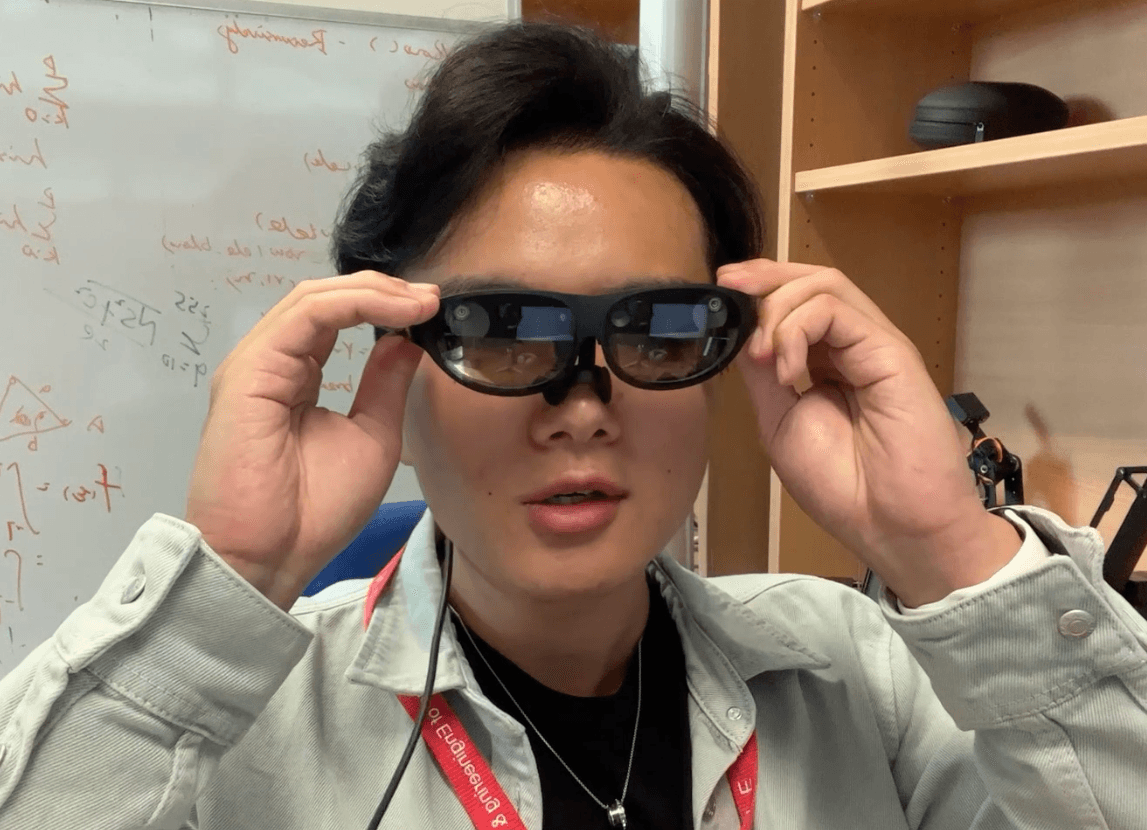
What if AR glasses could understand the real world, not just overlay virtual objects onto it? This project integrates natural object detection with AR wearables — making the environment itself machine-readable.
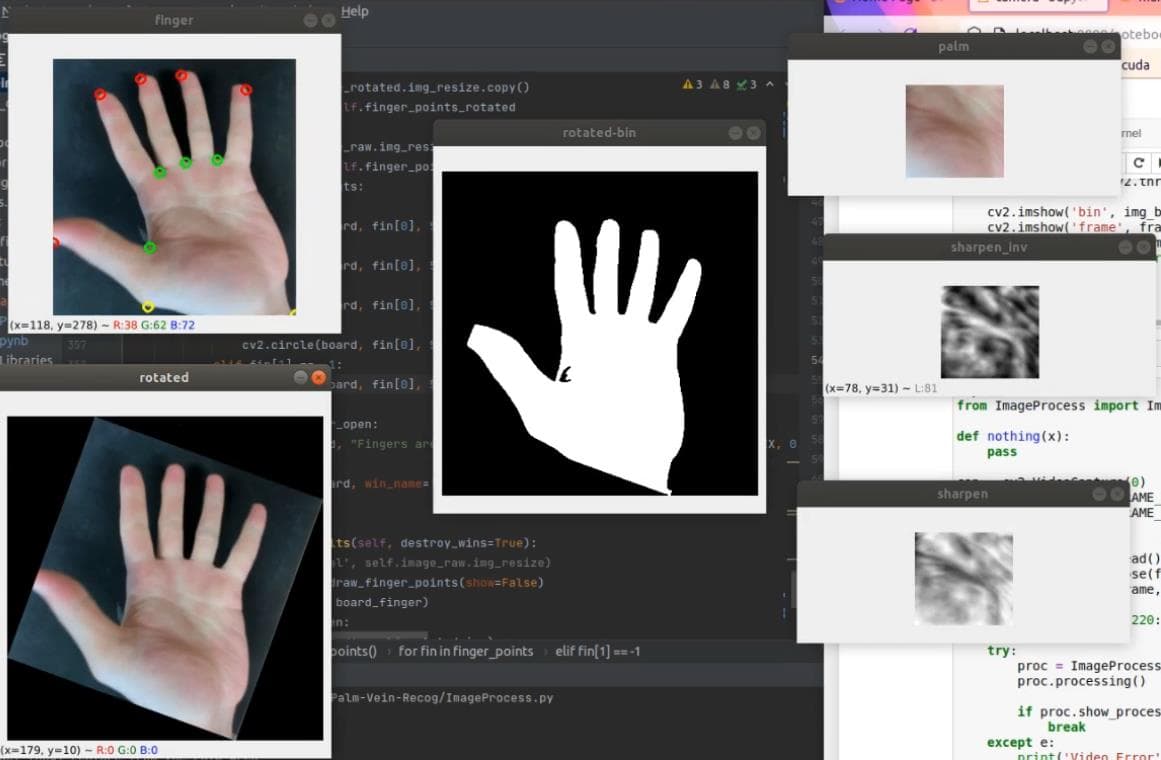
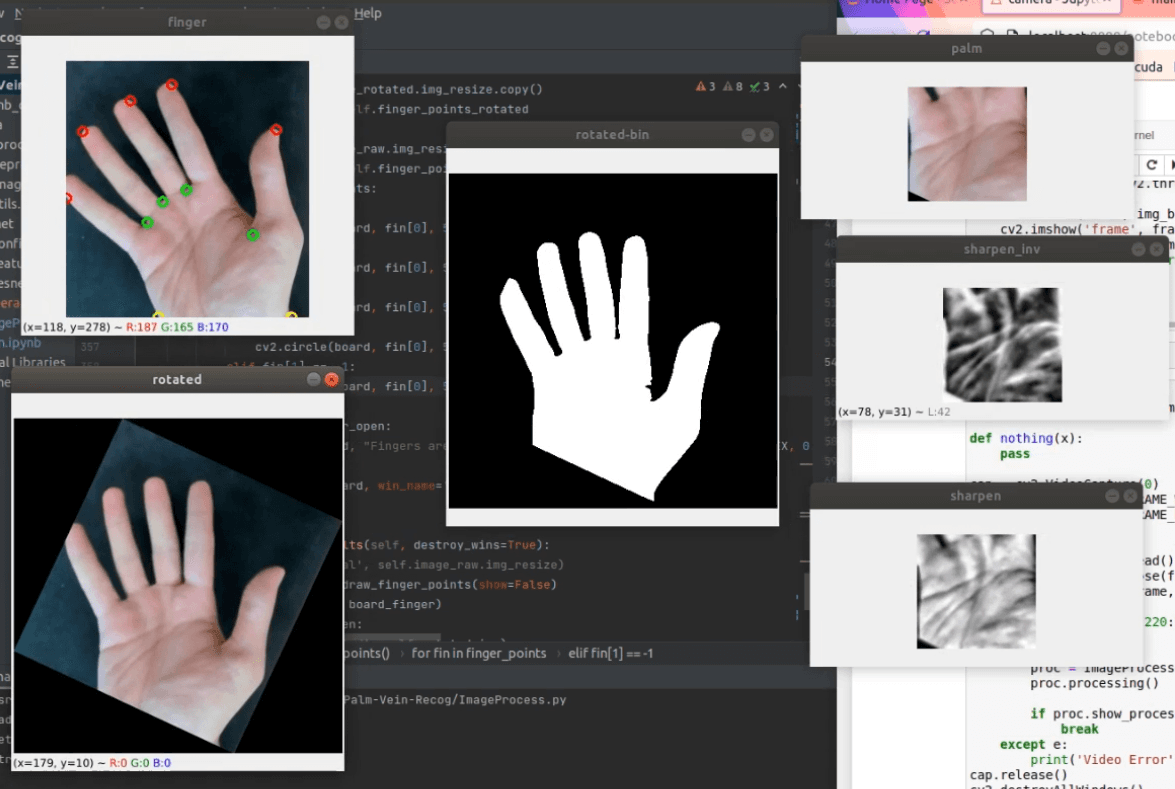
Palm Recognition
Training-free real-time palm region detection and feature extraction from hand images — using classical image processing to achieve ~18fps without any annotated data or deep learning overhead.
2021
PhD in Software Engineering & Human AI Interaction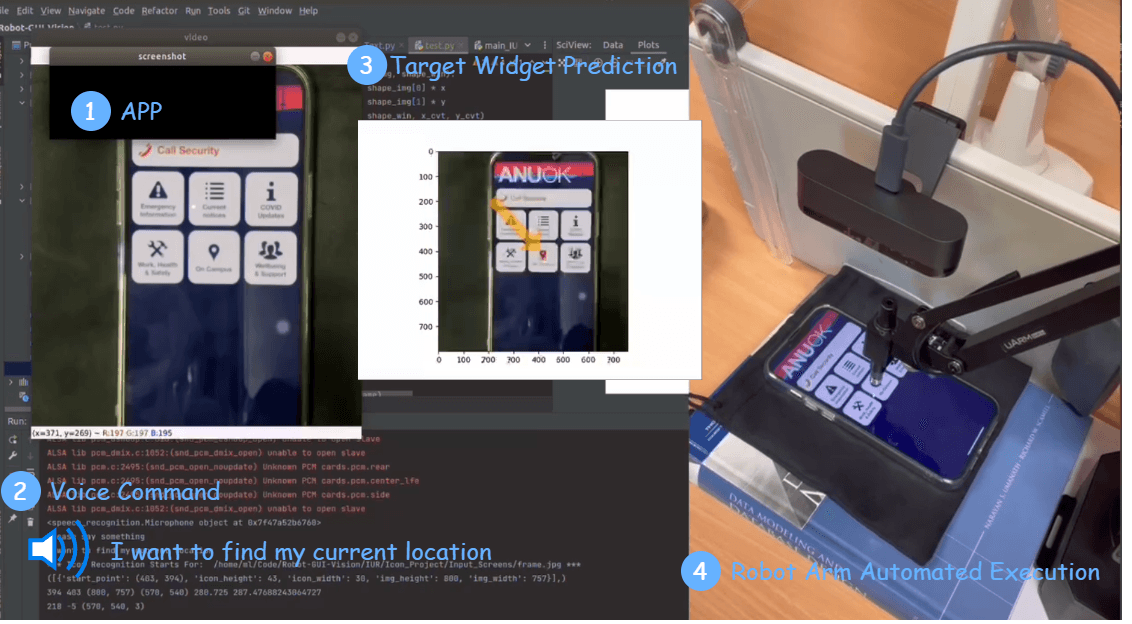
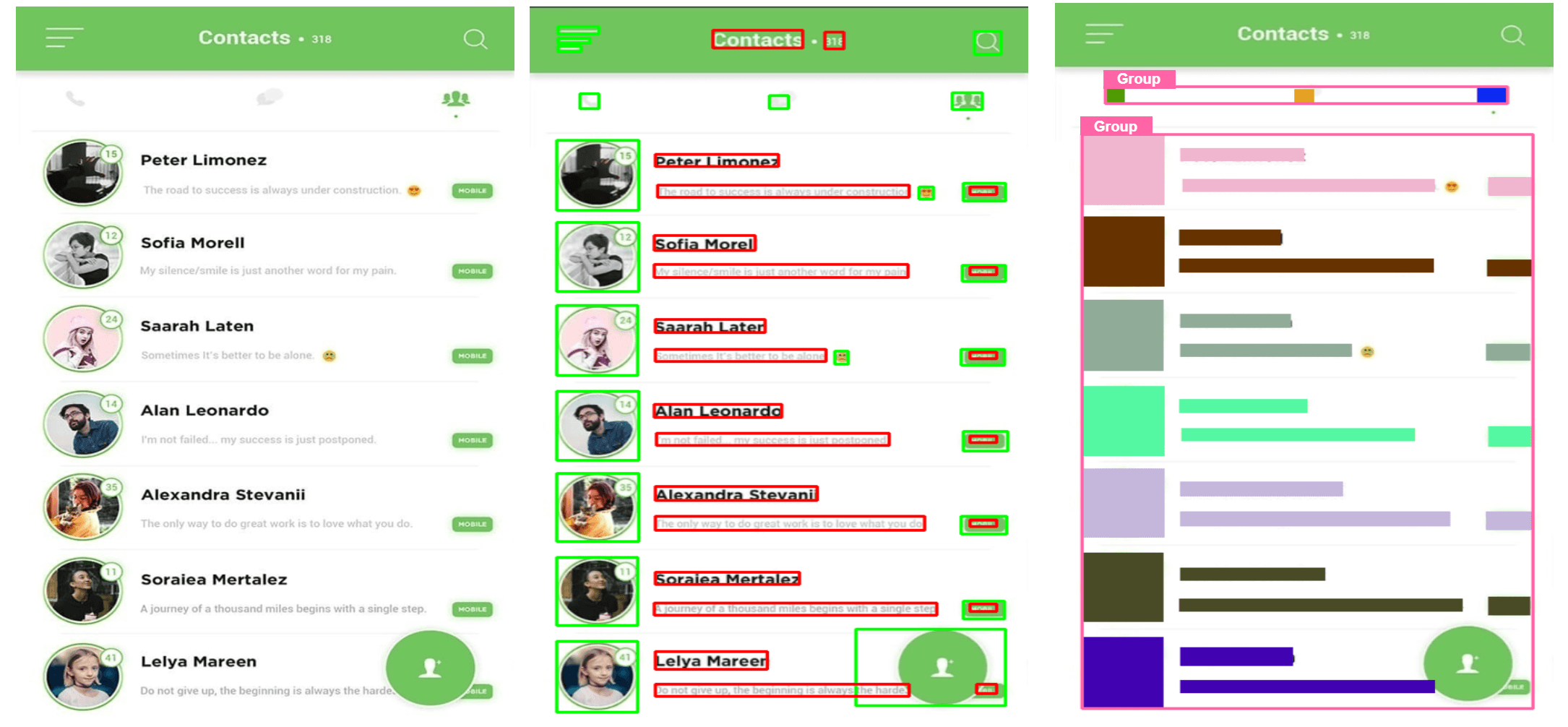
APP Voice Control x Robot Arm
Identify the target UI component in any app by user saying what they want in natural language, and use a Robot Arm to interact with the device automatically — a physical GUI agent before the agent era.
UI Component Perceptual Grouping
Humans don't see isolated buttons and labels — they see cards, lists, menus, and tabs. This project applies Gestalt psychology to automatically segment any GUI into perceptual layout blocks, the way a human would.
ezForm
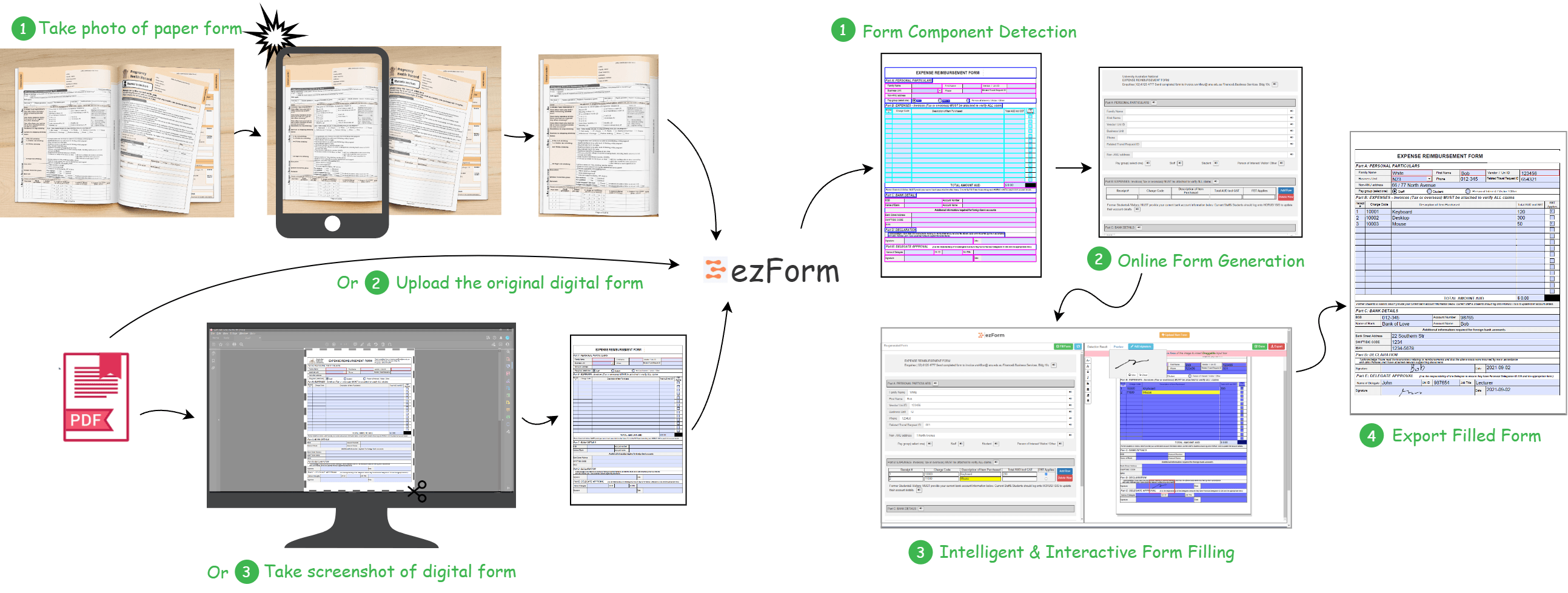
Snap a photo of any paper form — ezForm converts it into a fully interactive web form automatically, using computer vision to recognise every field, checkbox, and layout structure.
2020
PhD in Software Engineering & Human AI Interaction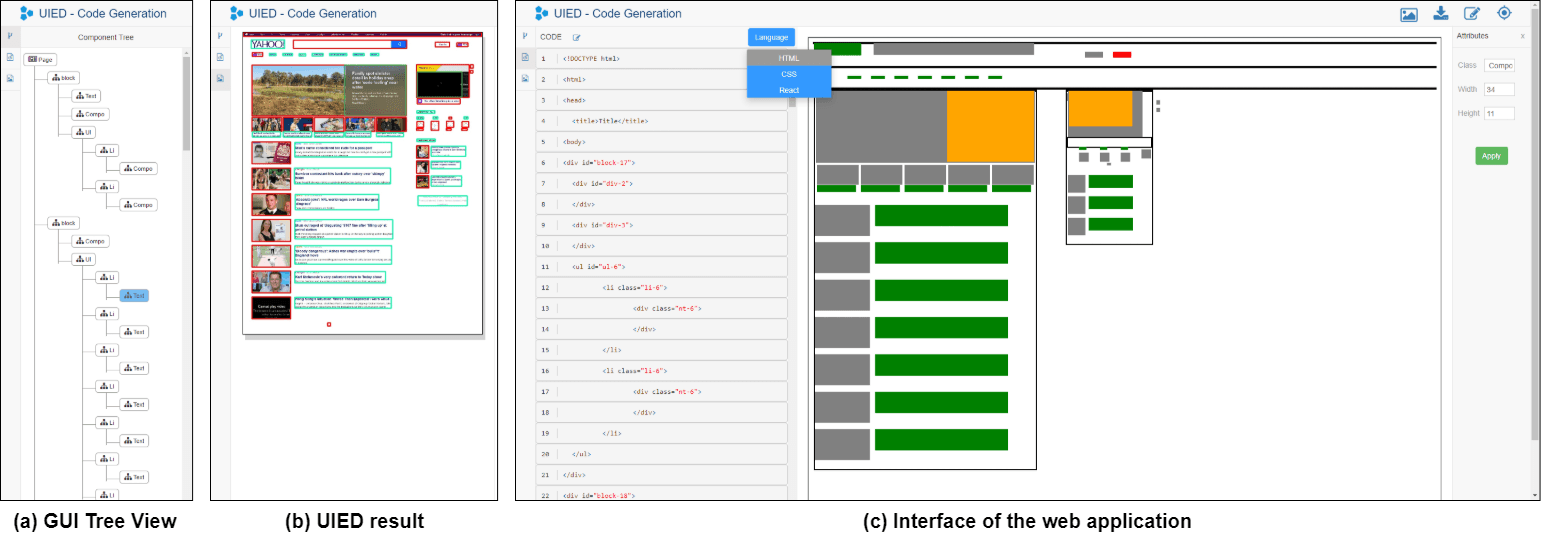
EasyD2C
Upload a UI screenshot, get back modular HTML, CSS, and React code — EasyD2C uses computer vision to reverse-engineer design images into structured, maintainable front-end code.
UI Element Detection (UIED)
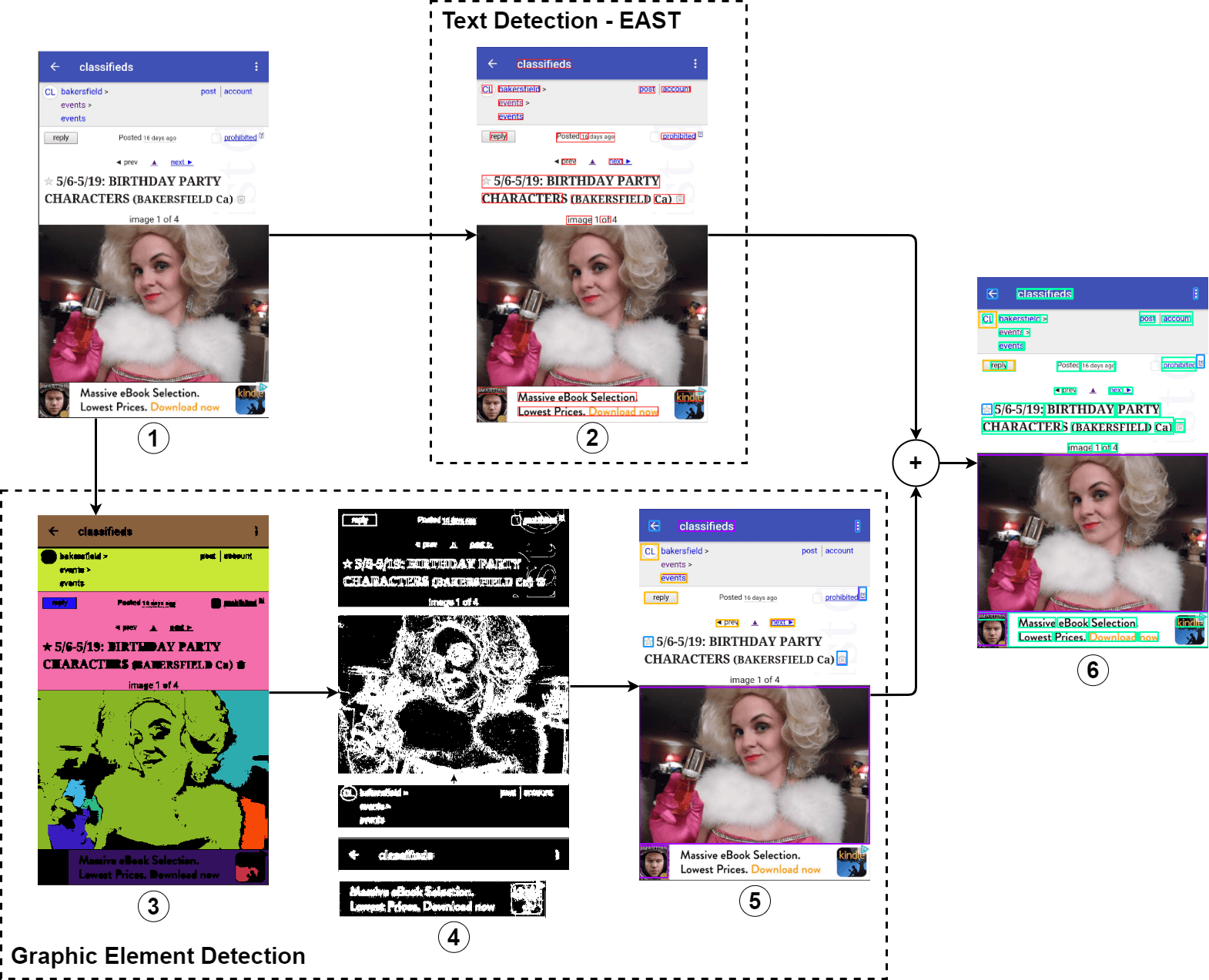
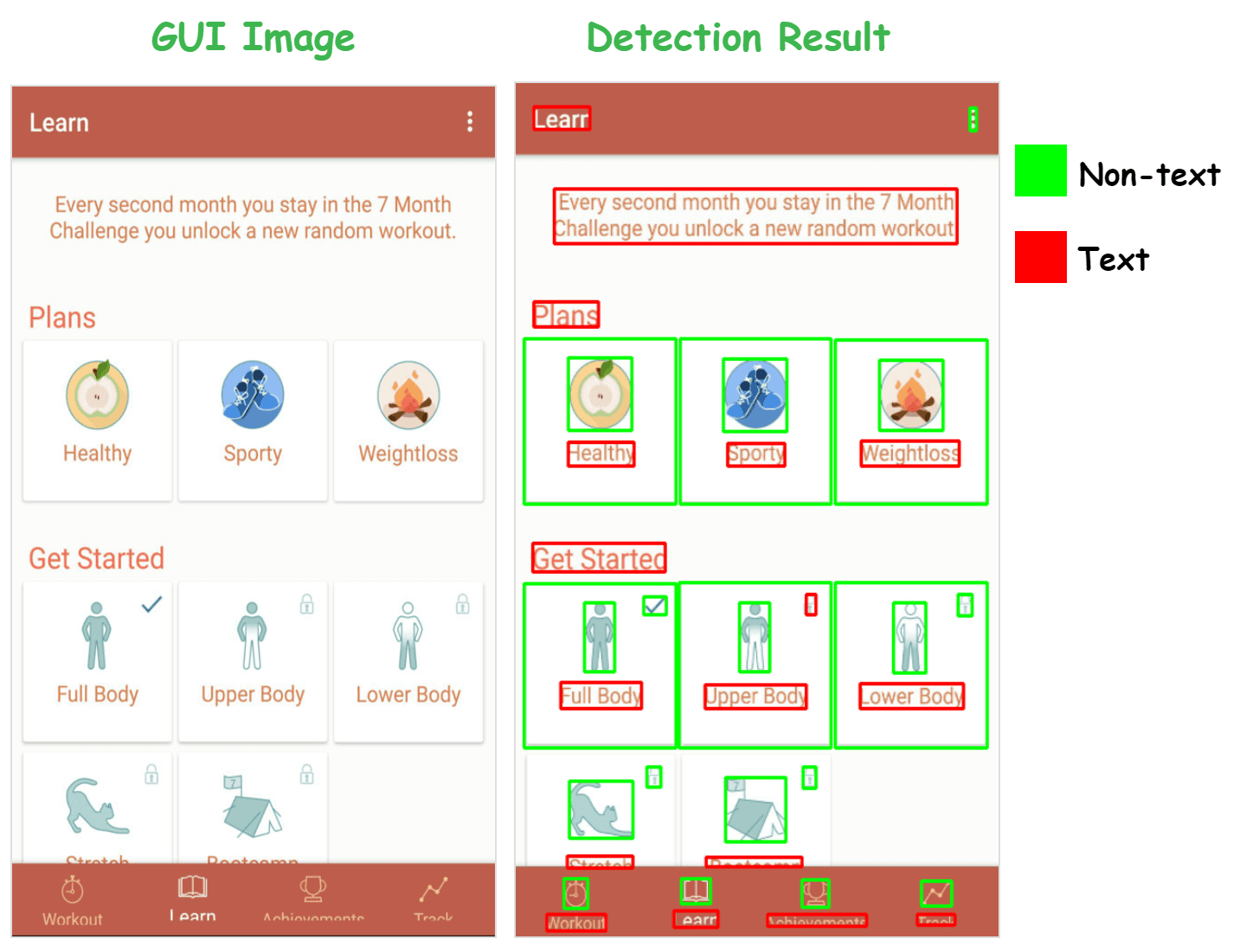
Unsupervised detection of UI elements from any GUI screenshot — no training data, no labels. UIED combines Google OCR for text and a CV+CNN pipeline for non-text elements, handling both mobile and desktop UIs.
2019
Bachelor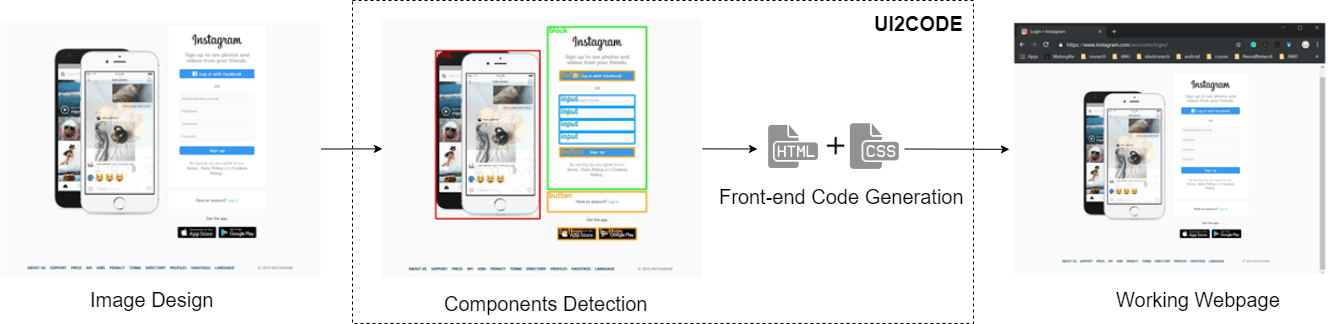
GUI Image Code Generation
Computer vision-based reverse engineering of UI design — automatically converts a GUI screenshot or mockup into working UI code and a structured element tree, bridging the designer-to-developer gap.
2018
Bachelor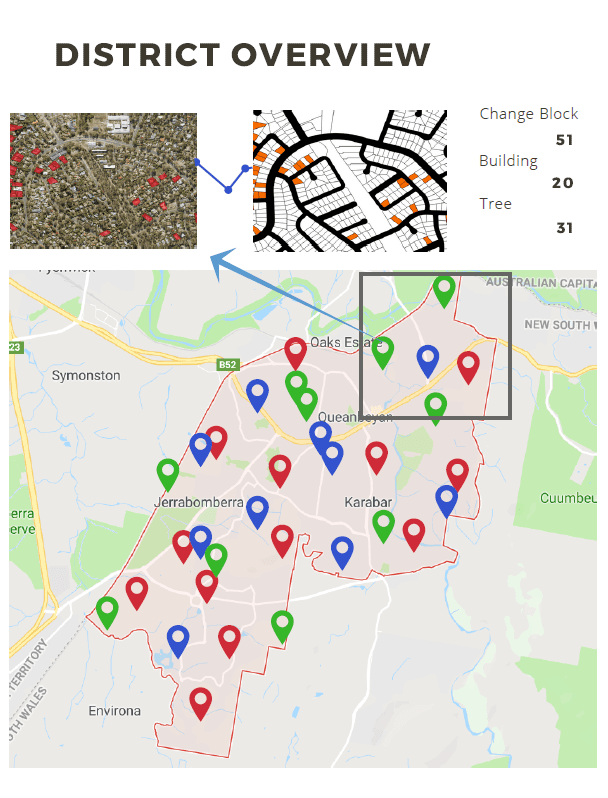
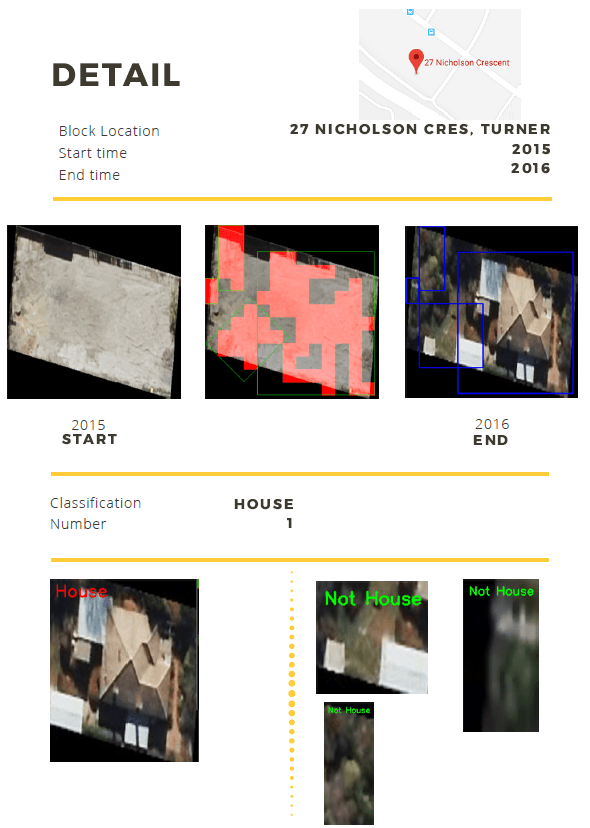
Geographical Change Detection & Report
Detect and report land-use changes — vegetation growth, new construction, land clearing — by contrasting satellite images of the same region across time periods using computer vision.
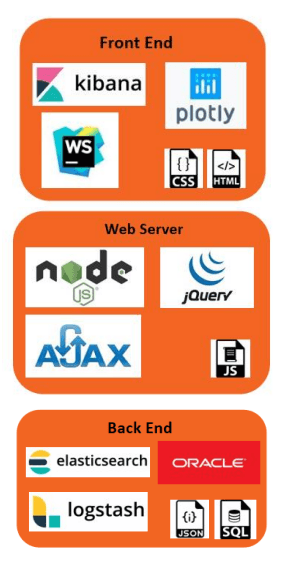
Universal Keywords Search Engine
Search across massive unstructured document databases — txt, PDF, Word — using keyword queries. Built on ElasticSearch with a user-friendly web interface.
2017
Bachelor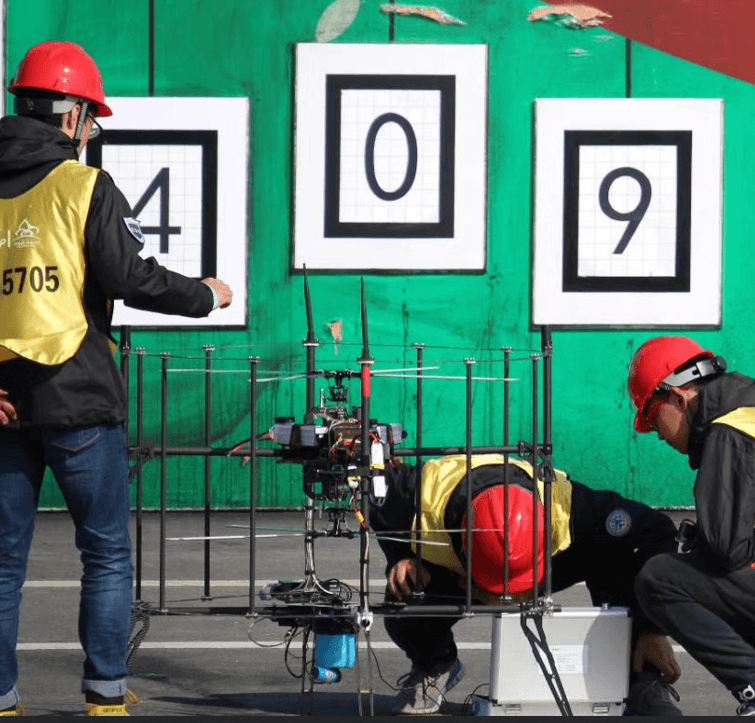
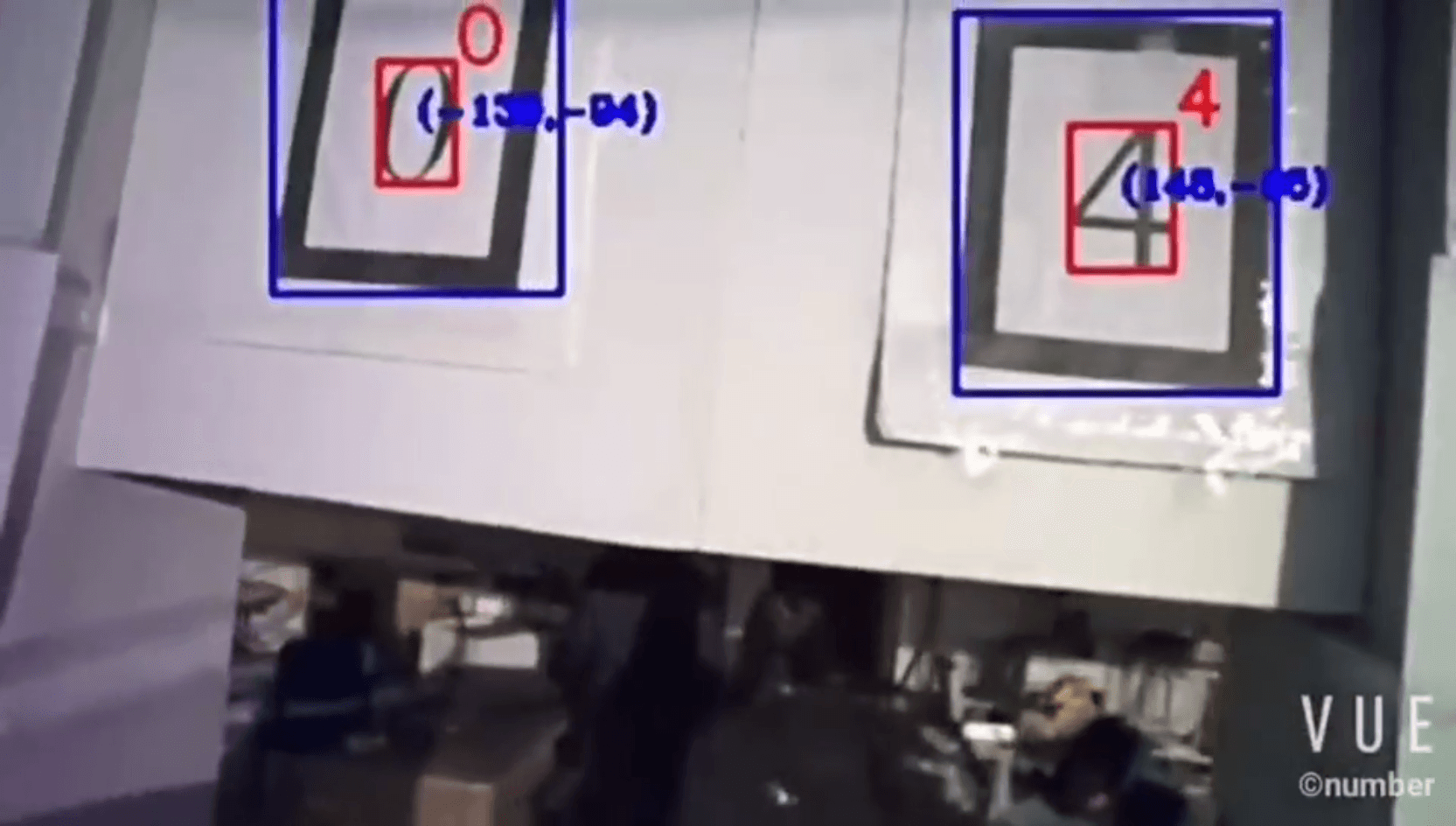
Digital Target Detection on UAV
Detect physical targets in natural environments and read the digital numbers on them — instructing an unmanned aerial vehicle to execute corresponding actions autonomously.
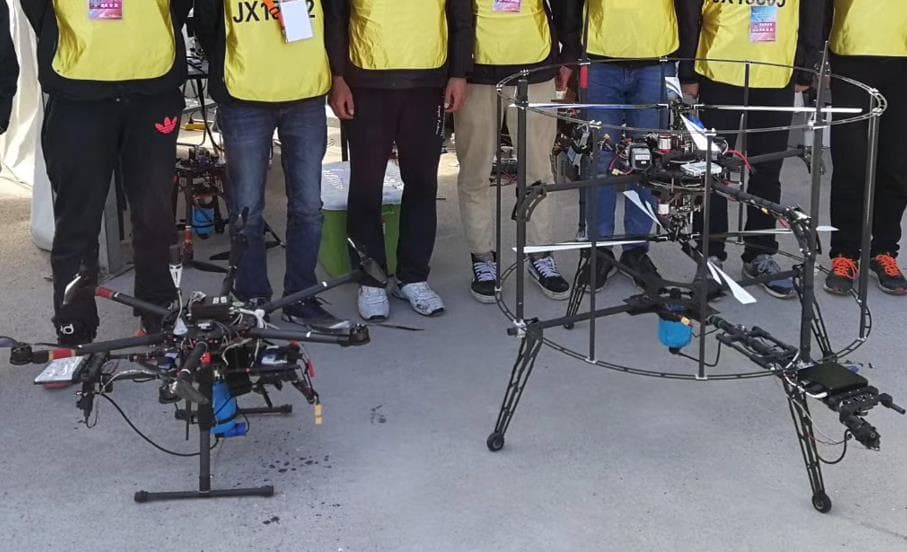
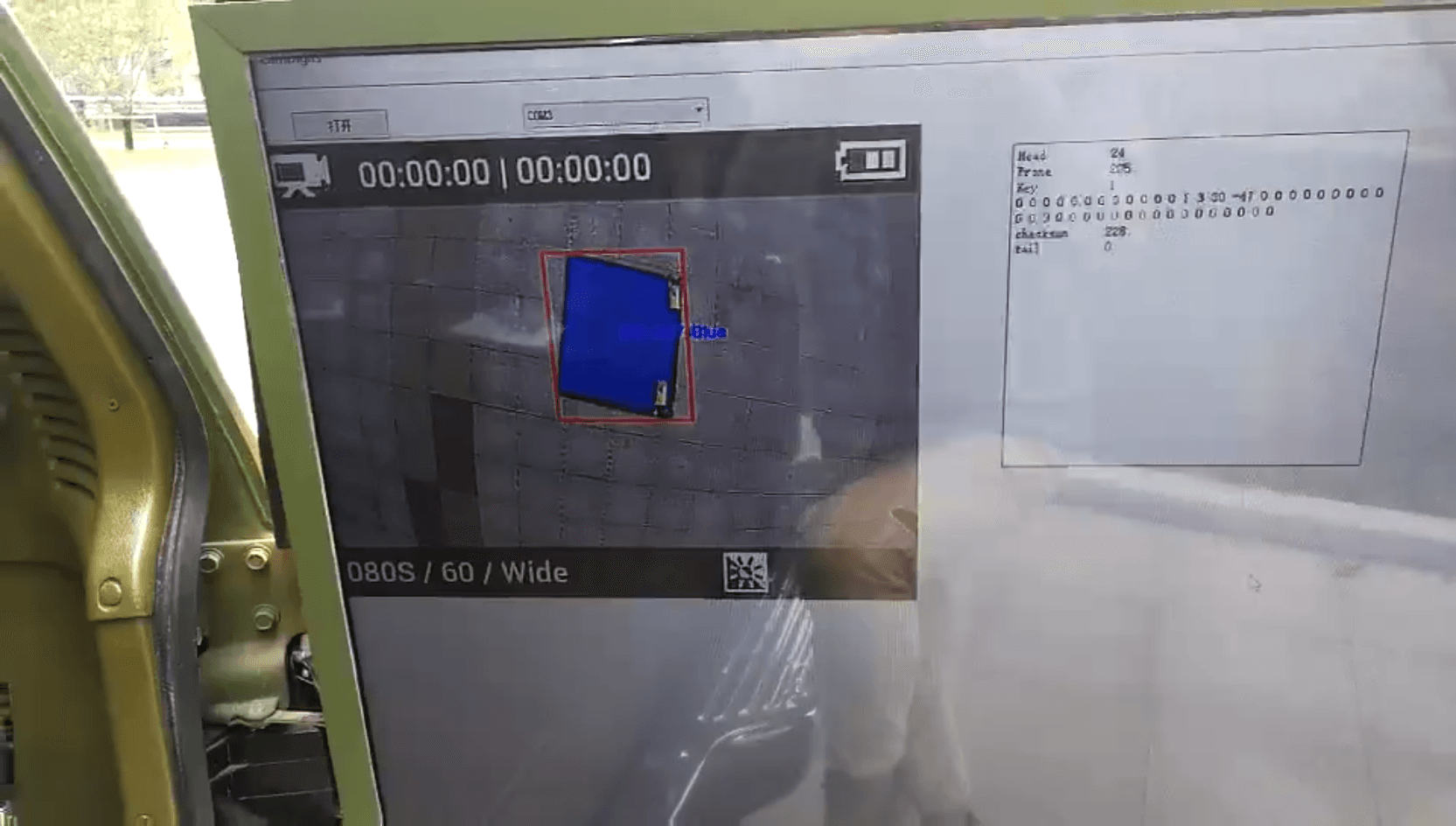
Color Target Detection on UAV
Detect coloured target regions in dynamic natural environments to instruct the UAV to complete actions — robust to lighting variation, motion blur, and complex backgrounds.